
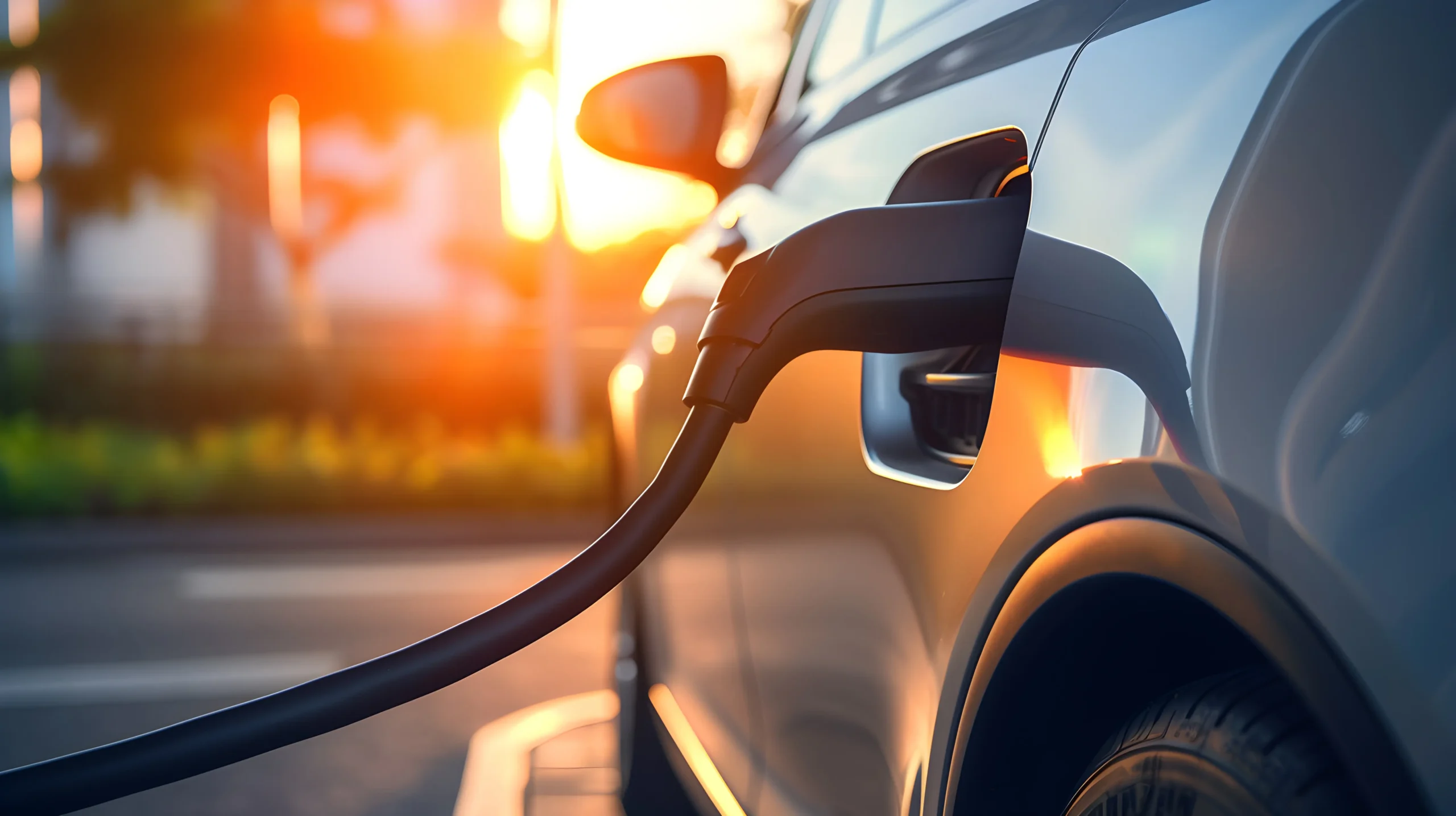
How Commercial Charging Stations Benefit Michigan Companies
As electric vehicles (EVs) become a common sight on Michigan roads, businesses across the state are recognizing the value of
If your electric bill keeps creeping up, you’re not alone. We talk to homeowners and business owners across Southeast Michigan every week who want the same thing: a clear explanation of what they’re paying for, what’s driving usage, and what they can do to bring costs back down.
At Michigan Quality Electric, we help customers in Commerce Township and surrounding communities make smart, practical improvements, from troubleshooting and panel upgrades to EV charging, and backup power. But today, let’s talk about how to read your electric bill and what to do to lower monthly costs.

Before you get lost in line items, focus on these five numbers. If you track them month to month, you’ll understand your bill far faster and spot problems early.
These two are easy to mix up, but understanding them makes the rest of your bill make sense.
kW (kilowatts) is power, basically how fast you’re using electricity at a moment in time. Think of it like the speedometer in your car.
kWh (kilowatt-hours) is energy over time, basically how much electricity you used. Think of it like the miles you drove.
Here’s a simple way to remember it:
Why it matters: two homes can have the same appliances, but very different bills depending on how long those appliances run. A space heater pulling a lot of kW for hours can rack up kWh quickly. The same idea applies to EV charging, electric dryers, older refrigerators, and HVAC systems that run longer than they should.

Your total is usually a mix of energy charges plus the costs and programs that support the grid. Even if you cut usage, you may still see a base level of monthly charges.
Most electric bills can be grouped into these buckets:
If you’re in Southeast Michigan, you may also see program riders or adjustments that change over time. The key is to compare your bill over several months and look for patterns, like a rate change, a seasonal shift, or a new fee that coincides with the jump.
In most Michigan homes, higher bills usually come from a few repeat culprits.
Heating and cooling is typically the biggest driver, especially during temperature swings. If your system runs longer than normal (dirty filters, poor insulation, aging equipment, or thermostat settings), your kWh adds up quickly.
Hot water and laundry can also move the needle. Electric water heaters, long showers, and frequent washer and dryer use are common sources of “hidden” usage.
EV charging and always-on devices can raise your monthly baseline. Home charging is convenient, but it is still a major electrical load, and things like a garage fridge, dehumidifier, routers, and cameras can keep usage elevated around the clock.
If your bill spikes suddenly with no clear reason, it may be worth ruling out an electrical issue or equipment problem with a quick inspection.
You don’t have to overhaul your whole home to see a difference. Start with simple changes, then move into bigger upgrades if you want longer-term savings.
Rate changes, longer billing cycles, seasonal HVAC runtime, and aging equipment can all increase costs without a noticeable lifestyle change.
Not always. Your total can increase due to supply rate changes, delivery charges, and fixed fees, even if kWh stays similar.
It varies widely based on home size, insulation, heating type, and appliances (especially EVs and electric water heaters). The best benchmark is your own usage during similar weather months.
If your usage jumps suddenly, breakers trip, lights flicker, or you have new high-load equipment (EV charger, generator, remodel), it’s smart to get it checked.
Once you know what to look for on your electric bill, it gets much easier to spot what’s driving your usage and where your money is really going. If you want a second set of eyes, Michigan Quality Electric can help you identify practical upgrades and safe solutions.
Contact us to schedule an electrical evaluation or request a quote.
As electric vehicles (EVs) become a common sight on Michigan roads, businesses across the state are recognizing the value of
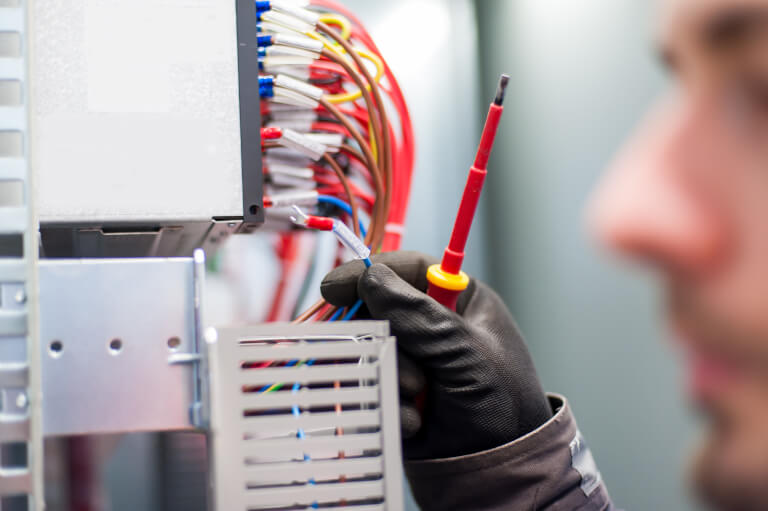
Keeping your Michigan home safe and energy-efficient starts with your electrical system. As technology advances and energy costs rise, investing
As electric vehicles (EVs) become more common across Southeast Michigan, the need for reliable, efficient charging solutions is greater than